
Ag-Gag Laws
Ag-Gag laws seek to “gag” would-be whistleblowers and undercover activists by punishing them for recording footage of what goes on in animal agriculture.
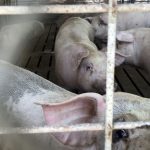
As the name suggests, Ag-Gag laws seek to “gag” would-be whistleblowers and undercover activists by punishing them for recording footage of what goes on in animal agriculture. They were originally designed to prevent the public from learning about animal cruelty.
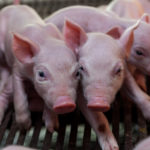
Stop Ag-Gag Laws
Undercover investigations and whistleblowers have exposed some of the worst aspects of factory farming, but Ag-Gag laws punish people who speak out about cruelty in animal agriculture. Voice your opposition.
More recently, as is the case in North Carolina and Arkansas, states are passing laws which not only criminalize whistleblowing in agricultural facilities but any private business, including hospitals, elder care facilities, veteran care facilities, and schools.
Why Are Ag-Gag Laws Harmful?
The ability to investigate, document, and publicize corporate agriculture’s abuses is imperative both to the well-being of animals across the nation—and to our own health and safety.
Factory farms want to keep their cruel practices hidden from the public, but the public deserves the truth about the billions of animals suffering on industrial farms and whether laws are being broken, jeopardizing food safety, workers’ rights, and environmental standards.
Undercover investigations have revealed severe animal abuse on factory farms — animals beaten, kicked, maimed and thrown. These investigations have also exposed standard industry practices like the confinement of pregnant and nursing pigs in crates too small for them to turn around, the removal of horns and tails from animals without anesthesia, and sick and downed cows dragged on the ground before they are slaughtered.
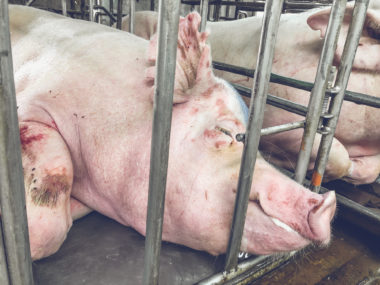
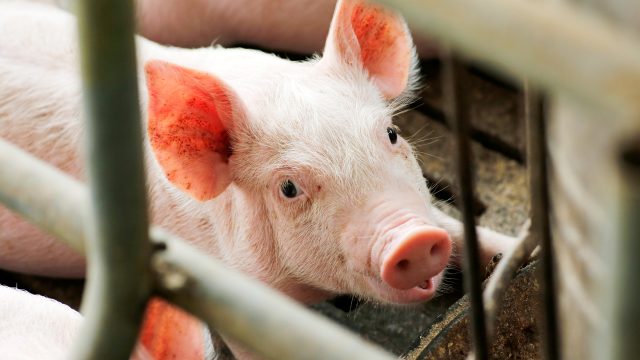
Banned for their cruelty in several states, gestation crates are metal crates only slightly larger than a pregnant pig’s body – so small that the pig cannot turn around or lie down comfortably.
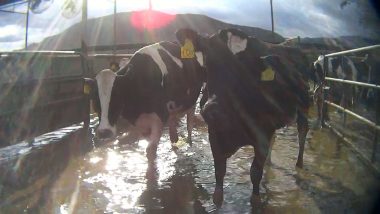
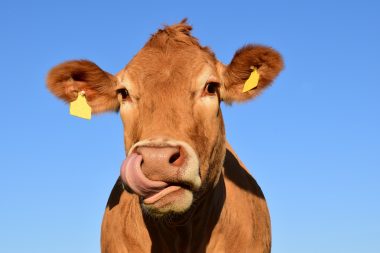
Naturally, cows live up to 22 years old. But cows used in the dairy industry are slaughtered before reaching an average age of 5 years old.
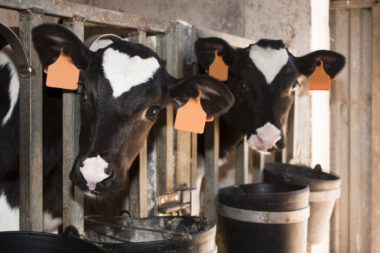
Male baby cows raised for veal are confined in tiny crates to restrict their movement for the four months before they are killed.
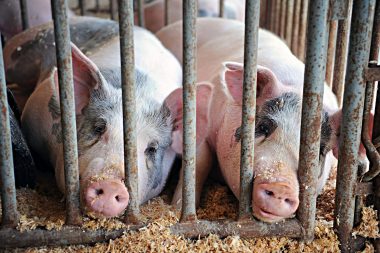
There are no federal laws governing the conditions in which farmed animals are raised – piglets are mutilated when their testicles are removed, teeth clipped, and tails cut off without anesthesia.
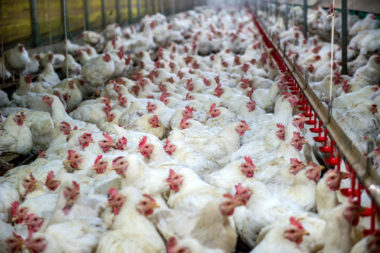
Cage free hens are often kept in cramped conditions, warehoused without access to fresh air or sunlight.
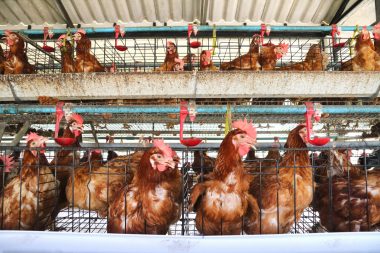
Traditional battery cages cram up to 11 birds into a single cage with each bird spending her entire life with less individual space than a sheet of printer paper.
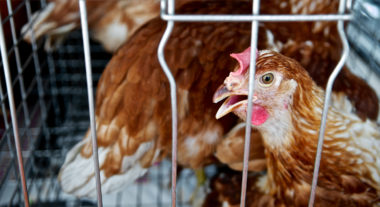
Caged hens are so cramped that birds often get trapped or impaled by the cage wire. Without the ability to extend their wings for months or years, the birds’ bones and muscles deteriorate.
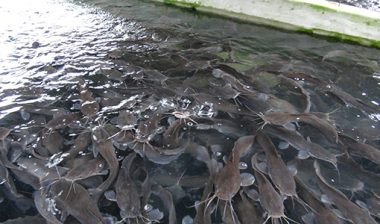
The conditions on many fish farms are so poor that 15 - 80% of fishes die on the farm, often from suffocation due to low oxygen levels.

The Latest About Ag-Gag Laws

The Animal Agriculture Industry: Liability Proof?
Whistleblowers Sought as COVID-19 Ravages Industrial Animal Agriculture Industry
New White Paper Identifies Root Causes of Zoonotic Disease: Animal Exploitation
As COVID Pummels Slaughterhouse Workers, Meat Companies Won’t Slow Down

See a timeline of key dates in the Animal Legal Defense Fund’s opposition to Ag-Gag laws.
Related News



-
Pro Bono Vibes: Let’s Make a Difference for Animals Together
Join team members of the Animal Legal Defense Fund’s Pro Bono Program for an informative discussion about the meaningful and various ways that law professionals can make a positive difference in the lives of animals. -
Rhode Island Governor Signs Cat Declaw Ban into Law
Declawing is an invasive surgical procedure to remove the last bone in a cat's toesJuly 2, 2025 News -
U.S. Supreme Court Declines Review of California’s Landmark Proposition 12 Animal Cruelty Law
The Animal Legal Defense Fund helps protect the strongest farmed animal protection law in the countryJuly 2, 2025 News


Related Cases
-
Challenging Kansas’s Ag-Gag Law
Animal Legal Defense Fund et. al. v. Kelly et. al.
-
Challenging Iowa’s Ag-Gag Law
Animal Legal Defense Fund v. Kimberly K. Reynolds
-
Challenging North Carolina’s Ag-Gag Law
People for the Ethical Treatment of Animals v Roy Cooper - Lawsuit filed in 2016

Looking for case and legal resources? View Resources
See More