
Spotlight: Simran Kadam
Simran Kadam is a 2026 recipient of the Animal Legal Defense Fund’s Advancement in Animal Law Scholarship.
What Animal Legal Defense Fund student chapter activities are you proudest of and why?

I am most proud of helping rebuild the Michigan Law’s Student Animal Legal Defense Fund chapter from the ground up. When I stepped into this leadership position the chapter was inactive, and within our first year of relaunching, we’ve grown to more than eighty active members! The organization has created a real community of students who are engaged with animal law and care deeply about these issues. I’m also especially proud of creating our weekly newsletter, Paw and Order, which has become a consistent way to keep members informed and connected to developments in animal law, and of helping organize over twenty events featuring practitioners and scholars from across the field! These efforts have helped make animal law feel visible and accessible to students at Michigan.
Any other noteworthy experience?
This past semester our SALDF chapter co-hosted an event with the Michigan Law Review and featured an academic who spoke about his theory of social movements and conspiracy crimes, and how it applies to animal advocacy. The discussion was particularly valuable because it placed animal activism within a broader theoretical framework and encouraged students to think critically about how laws can impact different social movements. Rather than treating animal law as a separate, niche field, the event highlighted how animal advocacy movements interact with other civil rights and social justice
movements, and how those dynamics shape strategy, framing, and legal reform. It was also meaningful because it showed the value of interdisciplinary collaboration. We were able to bring together students, legal scholars, and animal activists in a way that elevated the conversation and helped situate animal law within broader academic discourse.
What is an animal law related goal of yours for the upcoming academic year?
My goal for the upcoming year is to continue expanding animal law programming within the SALDF chapter, particularly by offering more opportunities for students to engage with substantive legal work. That includes building out our speaker and event programming while also expanding applied research and pro bono animal law work. I would love to grow our pro bono project and get students connected with active practitioners so they can have first hand experience with what it’s like to be an animal lawyer! I also hope to further integrate animal law into broader environmental law conversations at Michigan, so that it is seen as an integral part of those discussions. We have a lot of exciting collaborations with other student organizations on the schedule which will hopefully push animal law farther into the mainstream.
What are your plans/goals for post-graduation?
After graduation, I plan to pursue a career in animal law, ideally in a role that combines litigation, policy advocacy, and regulatory work. I am particularly interested in work that challenges the structural issues in industrial animal agriculture and strengthens legal protections for animals through both statutory and administrative law. Over time, I hope to contribute to building legal strategies that more effectively bridge environmental and animal protection goals.
What strategies do you find most effective for engaging students in animal law?
The most effective way to engage students in animal law is to show how closely it connects to other areas of law they already care about by using an intersectional lens. When students see that animal law overlaps with environmental law, public health, administrative law, criminal law, human rights, etc., it stops feeling like a niche interest and instead becomes part of the broader set of legal questions they are already encountering in class. Programming that reflects these connections (like discussions on industrial agriculture and climate change, or showing how criminal law impacts animal activists) can attract a wider range of students. Bringing in speakers whose work sits at these intersections also helps students see the different ways they can engage with the field in practice.
Learn more about the other 2026 Advancement in Animal Law Scholarship winners.

How We Work
Recent News
-
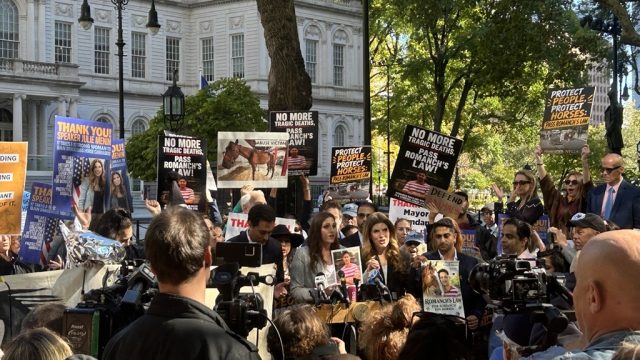
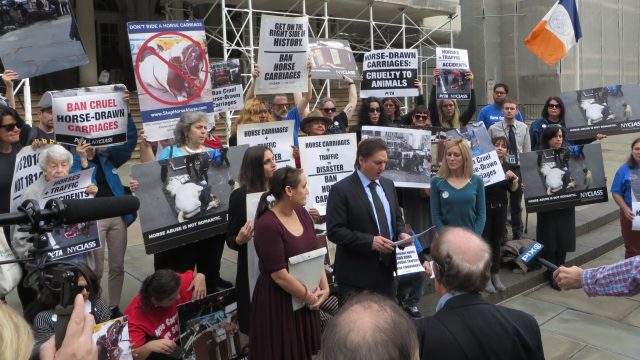
NYC Council Passes Romanch’s Law in Historic Vote to End Horse-Drawn Carriages by 2028
The bill will responsibly phase out the horse drawn cab industry to make NYC safer for allOctober 22, 2026 Press Release -
New York City’s Horse Carriage Ban – 20+ Years in the Making
The landmark passage of New York City’s horse carriage ban is an incredible victory for animal protection and public safety. It’s also a reminder that important legislation is worth the fight. -
ALDF Announces Caitlin Hawks as New Executive Director
The Animal Legal Defense Fund today announced Caitlin Hawks as its new executive director.October 21, 2026 Press Release

Donate to Protect Animals
Help animals win the legal protections they so desperately need and deserve, and ensure they have an advocate in courtrooms and legislatures across the country.