Celebrating Years of Justice for Animals

In 1979, the field of animal law wasn’t just nascent, it was practically nonexistent. A lot has changed in the last four-plus decades. Our lawsuits, our advocacy, and our tireless pursuit of justice for animals lead to stronger animal protection laws and stronger enforcement of those laws. Since it’s founding, the Animal Legal Defense Fund has worked to shape and transform our legal system to protect animals. We have made tremendous progress, but the work is far from done.
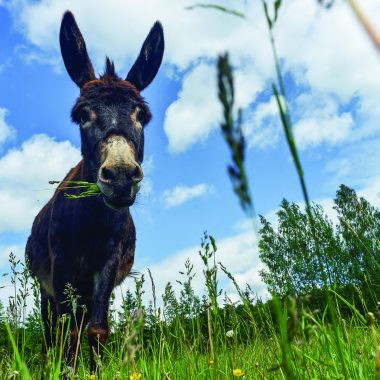
In March of 1981, Animal Legal Defense Fund founder Joyce Tischler learned the U.S. Navy planned to kill 300 to 500 wild burros located at the Naval Weapons Testing Center in China Lake, California. The Navy contended these killings were necessary to ensure the burros wouldn’t pose any danger by wandering onto an airfield or adjacent road. Six hundred forty-eight burros had been killed earlier in the month. The next killings were scheduled to begin in less than two days.
Tischler quickly filed a lawsuit and a motion for a temporary restraining order (TRO), arguing the Navy’s plans violated the National Environmental Policy Act and state law.
The U.S. District Court for the Eastern District of California granted the TRO. The Navy then agreed not to kill the burros, instead allowing them to be moved to safety. This case saved the lives of some 2,000 to 3,000 burros, it established that animal lawyers could and would use state and federal laws to halt government agencies from killing animals, and it led to the creation of the first full-time paid job for an animal rights lawyer, Joyce Tischler.
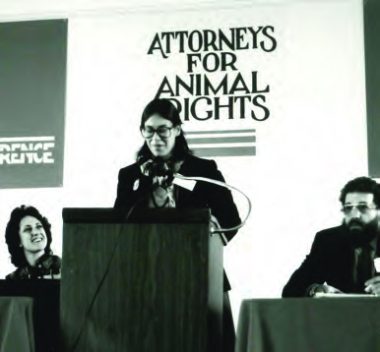
Held in San Francisco, the conference brought together the leaders of the burgeoning field to discuss issues ranging from wildlife protection to estate planning to the exploitation of animals for food and research.
Today, the Animal Legal Defense Fund, in collaboration with the Center for Animal Law Studies at Lewis & Clark Law School, hosts the annual Animal Law Conference — the biggest animal law event in the country.
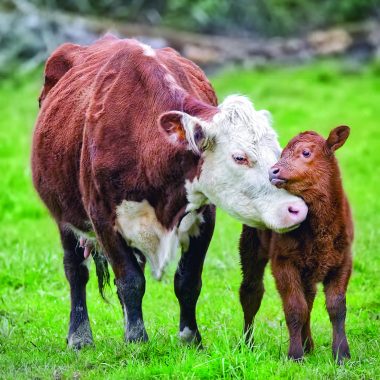
In an effort to reduce milk production, the agency would pay farmers to slaughter their cows. To prevent the cows being sold to other farmers, known as “recycling” the cows, the program required that cows be branded on their faces with hot irons prior to slaughter — an incredibly painful procedure.
Animal Legal Defense Fund (ALDF) attorneys worked around the clock to halt the cruel plan.
During the trial, animal agriculture professors testified to the immense pain that branding cows on the face with hot irons would cause to the animals, as well as the damage that it could cause to cows’ facial muscles and eyes. The court ruled in the ALDF’s favor and halted the branding plan on the grounds that it forced farmers to risk violating New York’s animal cruelty laws.
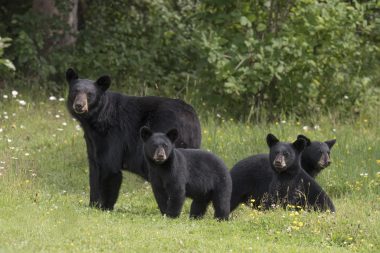
Superior Court Judge Cecily Bond ruled that California’s Department of Fish and Game must halt the hunt until performing a full study of the current bear population. The last meaningful review had been conducted in 1976, and going forward without a new full study would be a “prescription for extinction,” Judge Bond said. The following year, the Animal Legal Defense Fund won another lawsuit before Judge Bond, who this time granted the organization’s request to put a halt to the bear bowhunting season in California.

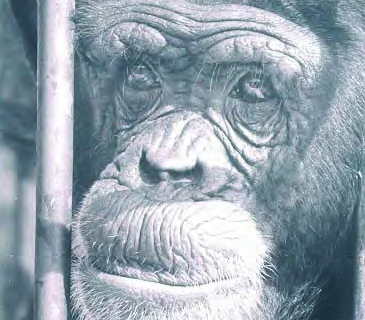
Deprived of companionship and veterinary care, Barney suffered from severe psychological and physical distress until he escaped from his cage and was subsequently shot and killed by a game-park employee.
In 1996, the Animal Legal Defense Fund successfully sued the USDA for failing to adopt minimum standards for the humane treatment of primates at research facilities and roadside zoos. U.S. District Court Judge Charles Richey ruled that the USDA had violated the Animal Welfare Act (AWA) and must rewrite its rules to prevent animal suffering and ensure the psychological well-being of primates in captivity. Judge Richey called the USDA’s failure to issue such standards “egregious.”
The decision was reversed in 1997 when a panel of judges of the U.S. Court of Appeals for the D.C. Circuit ruled that the individual plaintiffs — who were regular visitors of the zoo — lacked legal standing. But after rehearing the case, the federal appeals court ruled on September 1, 1998 that the plaintiffs did have standing — they suffered direct harm witnessing the terrible living conditions of primates. A major legal victory, the ruling established the right of animal advocates to challenge the USDA’s rules regarding the treatment of animals under the AWA.

To nurture this interest, the Animal Legal Defense Fund (ALDF) created a student chapter program aimed at organizing law students and supporting their work to develop animal law classes and curricula in law schools. At the end of 2000, there were over a dozen ALDF Student Chapters in law schools across the country.
Similarly, with growing interest in animal law amongst practicing law professionals, ALDF created a program to develop relationships with attorneys and law firms willing to do “pro bono” (free) legal work for the organization. By the end of 2000, the Pro Bono Network had almost 100 attorneys signed up and over a dozen law firms.



From left to right: Pro Bono Program Director, Tom Linney, award recipient, Joe Goode, accepting award on behalf of Laffey, Leitner & Goode, and award recipient, Bethany Hill, accepting on behalf of Wilson Sonsini Goodrich & Rosati.
With guidance from the Animal Legal Defense Fund, the state of Tennessee became the first state to authorize non-economic damages in cases involving companion animals — specifically, loss of companionship, society, love, and affection.
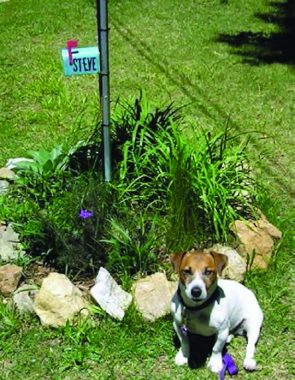
The “T-Bo Act” is named for a 12-year-old Shih Tzu killed in an attack by another dog, and it was introduced by T-Bo’s guardian, State Sen. Steve Cohen. Under the law, guardians in wrongful injury or death cases can recover up to $5,000 in non-economic damages instead of being limited to the market value of the animal. In recognition of animals’ elevated places in our homes and lives, other states including Illinois and New York have followed Tennessee’s lead in allowing awards beyond economic damages for the deaths of companion animals.


Though prosecutors initially believed Oregon’s laws prevented them from charging Rose-Tu’s abuser, with the Animal Legal Defense Fund’s extensive legal assistance — mounting public outcry — they successfully secured a conviction. The Animal Legal Defense Fund followed up this victory by drafting Oregon’s “Rose-Tu bill,” which became law in 2001. Two of the legal leaps forward included in Rose-Tu’s bill were statutorily recognizing connections between domestic violence and animal cruelty, and removing the requirement that prosecutors prove an animal victim experienced pain (a technically complicated undertaking) in order to charge animal cruelty. These changes mean, for example, that abusing an animal as part of terrorizing a child is treated with particular seriousness. Similarly, in the wake of Rose-Tu’s Bill, prosecutors in Oregon no longer need to prove that the emotion experienced by an elephant with over 176 cuts on her body is pain; instead, the legal question is simply whether the defendant injured the elephant. Laws, like Rose-Tu’s bill, that acknowledge violence to animals seldom stops there, are becoming more common.
In November 2002, some 2.6 million Floridians voted in favor of the measure. With 54% of the vote, the initiative passed, and Florida became the first state to ban this cruel practice.
As of 2019, 12 states have enacted such bans; and, in 2018, California voters not only strengthened standards concerning the confinement of farmed animals, but also mandated products sold in California come from operations that meet or exceed these standards.
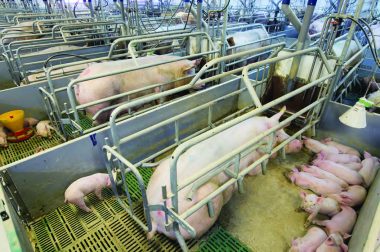
Veterinarians at trial testified about finding the dogs living in feces and urine, some even eating the waste for lack of other food. The dogs had serious untreated medical conditions; and one dog was found in a cage roughly 24 by 18 inches, lying in a puddle of her own urine and feces. Emaciated and unable to rise more than partway before collapsing, this ravaged dog was taken from the property for medical treatment and euthanized two days later.
On March 31, 2005, the court issued a landmark ruling finding the Animal Legal Defense Fund (ALDF) had presented extensive and compelling evidence of cruelty to hundreds of dogs and granting the organization custody of every animal on the property.
The ALDF scrambled to create an ad hoc shelter in Sanford, dubbed the “Halls of Hope,” and marshal an army of local volunteers and veterinarians who donated countless hours caring for these dogs, treating their medical needs, as well as their social needs, and daily requirements. The dogs learned to trust and play — for the first time — while waiting for foster families to open their homes to them.
The case was appealed all the way to the North Carolina Supreme Court, which issued a final decision on October 11, 2007, in favor of ALDF — a historic legal precedent. As a result, the rescued dogs were allowed to be permanently adopted by their foster families and every one was placed in loving homes.
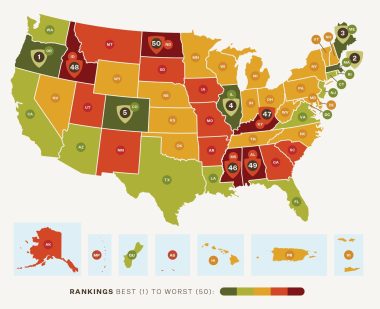
The campaign included legislative advocacy, assistance to prosecutors and law enforcement officials, and public education. To track the growth of animal protection laws as well as encourage other states to adopt stronger laws, in 2006 the Animal Legal Defense Fund formalized the report and began releasing the U.S. State Animal Protection Laws Rankings Report every year.
The report highlights states most in need of improving and helps identify key issues in each state. For example, in 2008, only seven states had felony anti-cruelty provisions. By 2005, that number had increased to 42 states. In 2019, all 50 states had enacted felony animal cruelty laws.
The rankings are the nation’s longest-running and most authoritative report of its kind.
The Animal Legal Defense Fund sued animal trainer, Sid Yost, for violating the Endangered Species Act and the California anti-cruelty statute by subjecting the chimpanzees in his possession to psychological and physical abuse.

In a case handled by the Animal Legal Defense Fund, the court allowed Cat Champion Corporation, a cat rescue in Linn County, to adopt out 11 cats seized two years earlier from appalling conditions at a private residence. It was the first time in the United States that a court ruled that a fiduciary — Cat Champion Corporation — could be appointed on behalf of an animal guardian to determine what is in the best interests of both the guardian and her animals. It was a significant step towards recognizing that animals are distinct from other forms of “property” and have their own unique interests.
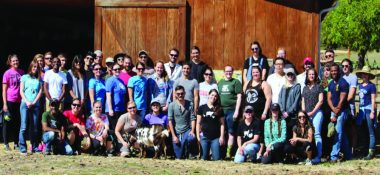
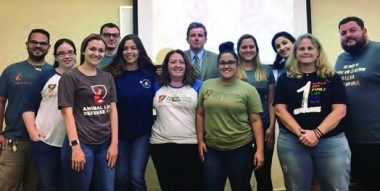
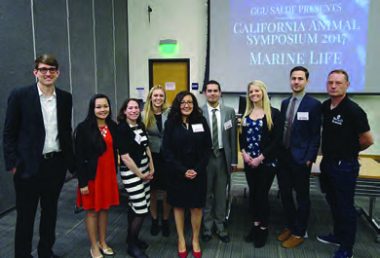

Florida A&M University College of Law, Golden Gate University School of Law, Schulich School of Law at Dalhousie University

The Center for Animal Law Studies (CALS) represents an unprecedented expansion of the range of offerings in animal law education, as well as a law clinic where students are able to work on actual cases under the leadership of an experienced professor. CALS is home to the most comprehensive animal law curriculum in the world, the world’s only master of laws (LL.M.) specializing in animal law.
Also in 2008, the Animal Legal Defense Fund began awarding scholarships to dedicated members of our student chapters who wish to pursue a career in animal law and have demonstrated outstanding commitment to our mission. The scholarship program is part of the organization’s ongoing efforts to support the next generation of animal law attorneys and nurture the future of animal law.
In addition to more effectively preventing dog fighters from realizing profits from cruelty, the law helps prosecutors hold everyone involved in these cruel blood-sports accountable — not just the people who take the final step of putting dogs in the ring. Momentum built for this law with the highly publicized 2007 conviction of football player Michael Vick on charges related to an illegal dog fighting operation in the state of Virginia. Although animal fighting is illegal in all 50 states, the Animal Legal Defense Fund is working to make such crimes easier to prosecute and punishable by stronger penalties.
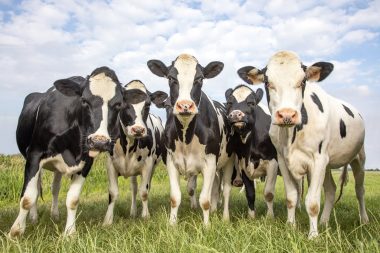
Prop 2, as the initiative is known, prohibited the confinement of farmed animals in spaces so small they cannot turn around freely, lie down, stand up, or fully extend their limbs. The initiative passed overwhelmingly, demonstrating the strong support of the public for greater legal protections for farmed animals.
Additionally, it offers an opportunity to draw attention to the need to address animal cruelty at all levels from various approaches — from lawmaking, to intervention, to prosecution, to prevention, to providing animal crime victims with the safe, healthy lives all animals deserve.
West Hollywood’s ordinance, drafted by the Animal Legal Defense Fund in conjunction with local activists, banned retail stores from selling commercially bred cats and dogs — requiring instead the animals be sourced from animal shelters and rescue groups. The ordinance was passed to combat puppy and kitten mills, which are large-scale commercial dog and cat breeding facilities where emphasis is placed on profits over the well-being of the animals.
Today, retail pet sale bans are common. Several hundred other cities and communities have passed similar laws in years since.
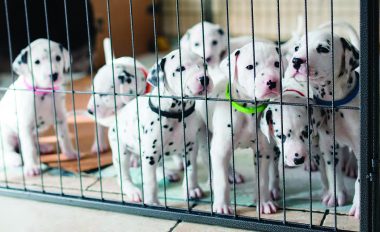
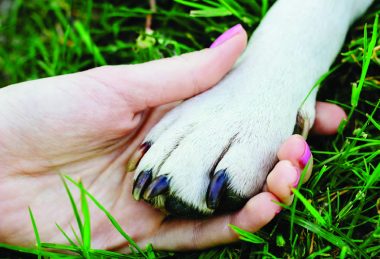
In 2011, the Animal Legal Defense Fund joined other animal protection, domestic violence, and law enforcement organizations to draft and advocate for a new legislative proposal that would fully protect animals from domestic violence. SB 616, which was signed into law on June 7, 2011, allows judges to include companion animals in domestic violence protective orders.
Today, domestic violence protection laws for animals are common. Dozens of states have passed similar laws in years since.
Ben lived alone in a dirty, concrete cage that measured just 12-by-22 feet. In the wild, bears love to swim, climb trees, and run. Ben could do none of those things. Instead, he ate dog food in a barren cage with only a few pieces of wood and a ball as company. He endured noisy tourists each day. Ben was often observed pacing — caused by extreme psychological stress — and pressing his head against the chain-link fence of the cage.
In conjunction with People for the Ethical Treatment of Animals (PETA), the Animal Legal Defense Fund (ALDF) filed a lawsuit against Jambbas Ranch on behalf of two concerned North Carolina residents under North Carolina’s unique civil enforcement statute which allows any private citizen or organization to bring civil cases against abusers for violating animal cruelty laws.
ALDF pioneered the use of this law in its 2005 legal victory in Animal Legal Defense Fund v. Woodley, which provided a strong precedent for this case. The court agreed that the cage and living conditions did not meet the requirements necessary for Ben’s health and well-being. After the judge granted a preliminary injunction, Ben was flown to California to live in a spacious habitat at the Performing Animal Welfare Society’s sanctuary. For likely the first time in his life, Ben was able to swim in his own pool, sleep in a straw nest under oak trees, and feel the grass underneath his paws. The judge later issued a permanent injunction.
The following year, ALDF secured the release and rehoming of nearly a dozen other bears in a separate roadside zoo in North Carolina, called Chief Saunooke Bear Park.
The Animal Legal Defense Fund awarded a grant to fund the nation’s first dedicated, full-time state animal cruelty prosecutor. The fully-sworn prosecutor would be available to handle animal abuse cases for any one of Oregon’s 36 district attorneys, given the sole responsibility of 2013.
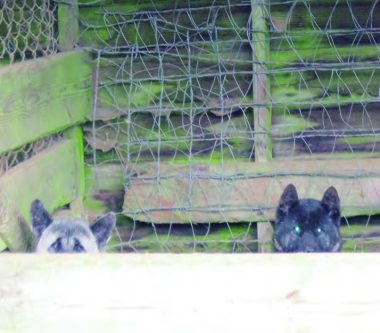
An orange tabby cat, named Michael, was cornered in a New York stairwell and set on fire. With no leads, and Michael of course unable to testify, the investigation stalled. The Animal Legal Defense Fund (ALDF) put forward a reward offer for information leading to the arrest and conviction of the perpetrator and, after four youths came forward with key details, the perpetrator was identified and pleaded guilty to aggravated animal abuse.
Similar response to ALDF reward offers have proven invaluable in cases such as California’s People v. Turner, where the defendant — angered that a Chihuahua puppy named Angel Star had relieved herself inside a home — doused the dog in bleach, locked her inside a dog carrier, and set her on fire. Armed with information resulting from an ALDF reward offer, the Sacramento District Attorney’s Office was able to secure a multi-count conviction against Turner and have him prohibited from owning animals for 10 years.

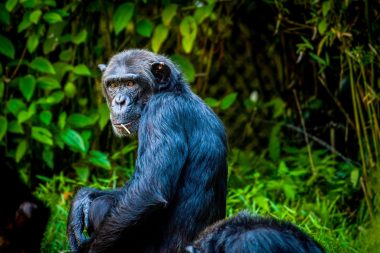
Oregon lawmakers enacted the Animal Legal Defense Fund-drafted Omnibus Animal Welfare Bill, which — in addition to enhancing the consistency and clarity of the state’s animal cruelty laws, addresses large-scale neglect cases, and includes a legislative declaration that animals are sentient beings, who “should be cared for in ways that minimize pain, stress, fear, and suffering.” This powerful statement continues to make its impact felt on behalf of Oregon’s animals and beyond, as other states look to that language as a model.
In State v. Nix, the defendant attempted to merge all 20 of his animal neglect convictions down to just one, convincing the trial court that the 20 goats and horses involved were not themselves crime victims — in other words, going for an ‘abuse one, get the rest free’ sentence. The Oregon Supreme Court ruled that individual animals can be considered crime victims when harmed by criminal abuse or neglect.
On the same day, the Oregon Supreme Court issued another ground-breaking ruling, holding in State v. Fessenden that an officer — despite not having a warrant — acted properly in seizing a horse near death from neglect and transporting her to a veterinarian for immediate medical care. In ruling that the exigent circumstances exception applied to the officer’s actions, the Oregon Supreme Court described the horse as being the victim of the defendant’s criminal cruelty, and wrote that the officer had “a responsibility to…prevent the perpetrator from causing further imminent harm to the victim,” whether the victim was animal or human.
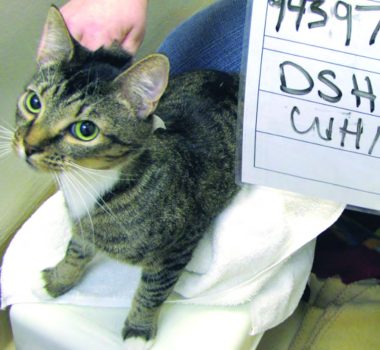
The Animal Legal Defense Fund has used the legal arguments they deployed in Nix and Hess to successfully counter the “abuse one, get the rest free” sentencing structures at both the state and federal level — building legal recognition that each animal, and each animal’s interests in not being subject to cruelty, are recognized.
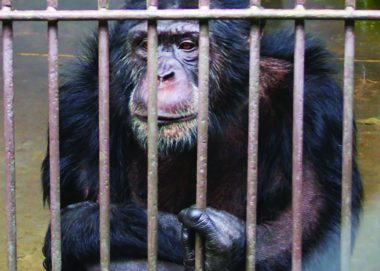
The Animal Legal Defense Fund brought a lawsuit against the King Kong Zoological Park, an unaccredited roadside zoo in Murphy, North Carolina, for violating the state’s animal cruelty laws.
In response to the lawsuit, King Kong Zoological Park voluntarily closed down.
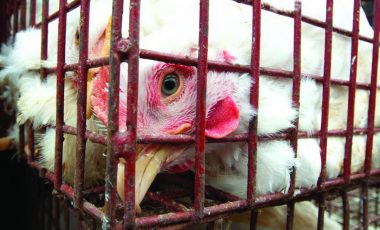
The Animal Legal Defense Fund (ALDF) released undercover video footage from a Tyson Foods’ chicken slaughter plant in Texas, revealing both systematic animal cruelty and dangerous working conditions. The investigation documented chickens being slaughtered at extremely fast speeds, making it impossible to humanely handle birds and allowing hundreds of chickens to suffocate on repeatedly malfunctioning equipment. The investigation also revealed food safety violations, including the “slaughter” of deceased birds.
ALDF scored a landmark victory the same year when U.S. District Court for the District of Idaho declared that the Idaho Ag-Gag statute violated the First and Fourteenth Amendments to the U.S. Constitution — the first time a court declared an Ag-Gag statute unconstitutional. As the name suggests, Ag-Gag laws seek to “gag” would-be whistleblowers and undercover activists by punishing them for recording footage of what goes on in animal agriculture.
After the state appealed the district court’s ruling, the United States Court of Appeals for the Ninth Circuit struck down key provisions of the Ag-Gag law — the first federal appellate court to do so. Undercover investigations play a critical role in exposing the cruelty that farmed animals endure. It’s often the only way in which the public can learn about factory farming’s most abusive practices.
Today, ALDF is leading the charge against Ag-Gag laws across the country.
For 16 years, Ricki, a black bear, lived alone in a bare 250-square-foot cage outside of an ice cream shop in Pennsylvania. Suffering on a concrete floor in this tiny enclosure, Ricki would repetitively pace, a clear sign of her psychological distress from being confined to these inhumane conditions.
Ricki’s suffering was confirmed by veterinary experts. After seeing Ricki in person, veterinarian Ursula Bechert warned the bear was suffering a “slow and torturous decline in physical and mental health.” Local residents had asked for Ricki’s release for years. National attention was drawn to her plight, and tens of thousands signed petitions requesting her release, including comedian Ricky Gervais.
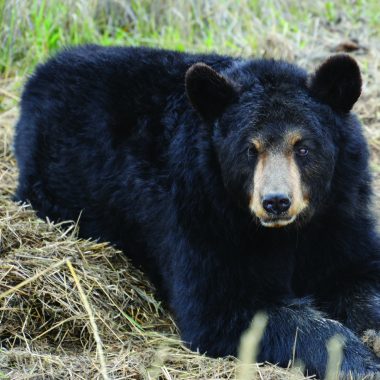
Kelly Bennett, who lived nearby, was moved by Ricki’s suffering and decided to take action. Having learned about the Animal Legal Defense Fund’s (ALDF) work on behalf of another captive bear held in inhumane conditions, Bennett reached out. In 2014, the ALDF filed a lawsuit on Ricki’s behalf — arguing the cruel conditions of Ricki’s captivity violated state regulations requiring the humane care and treatment of wild animals and also posed a threat to public safety. ALDF argued that Ricki should be moved to an accredited sanctuary where her physical and psychological needs could be met.
Ricki was rehomed to The Wild Animal Sanctuary in Colorado, where she was provided 15 acres of rolling grassland to roam, with swimming holes, and the company of other bears.
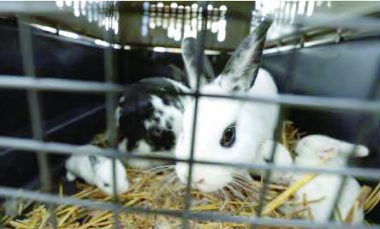
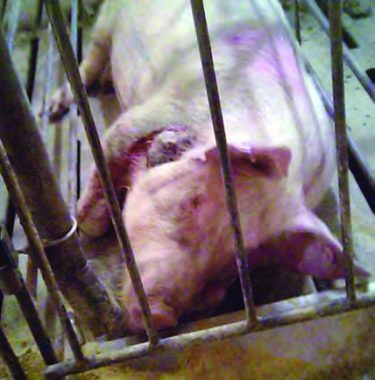
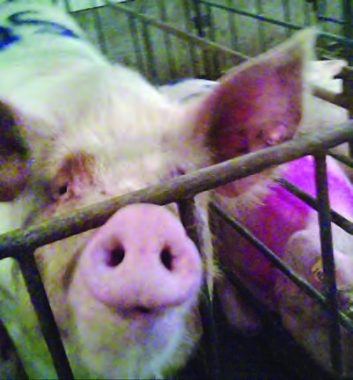
The Animal Legal Defense Fund (ALDF) released undercover footage documenting severe animal neglect and violations of laws protecting both consumers and animals at a pig breeding facility owned by The Maschhoffs, LLC, the third largest pig producer in the U.S. and supplier to Hormel Foods. The footage captured pigs suffering for days and even weeks with a range of painful medical conditions. For up to three consecutive days at a time, the pigs received no food. The investigation also documented cruel “standard industry practices,” which included intensively confining mother pigs in crates so small that they could not turn around, and killing small or sickly piglets by smashing their heads against the concrete floor.
Following the investigation, ALDF filed a lawsuit against Hormel Foods alleging the company was misleading consumers with the advertising of its Natural Choice® line of lunch meats and bacon. Despite Hormel’s claims its products were “natural,” “wholesome,” and “honest,” our investigation revealed that the animals used to produce its meats were coming from places such as The Maschhoffs, LLC, where they were subjected to the egregious conditions and practices typical of factory farming.
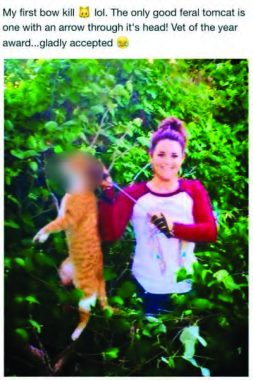
Kristen Lindsey’s killing of her neighbor’s cat, Tiger, drew international outrage when she took to social media, posting a photo of herself grinning next to the still-impaled cat.
The Animal Legal Defense Fund (ALDF) called for Lindsey to be prosecuted and filed a complaint with the Texas Board of Veterinary Medical Examiners seeking to strip Lindsey of her veterinary license. Though the Austin County District Attorney declined to prosecute her, the Texas Board of Veterinary Medical Examiners moved to revoke her license.
Lindsey rejected the revocation, setting off three years of legal proceedings. ALDF attorneys participated throughout, arguing before the Texas Board of Veterinary Medical Examiners that Lindsey’s conduct constituted an egregious breach of the public trust placed in veterinarians. Ultimately, Lindsey’s license was suspended for five years. For the first year, she was barred from practicing and, for the following four, she was put on probation.
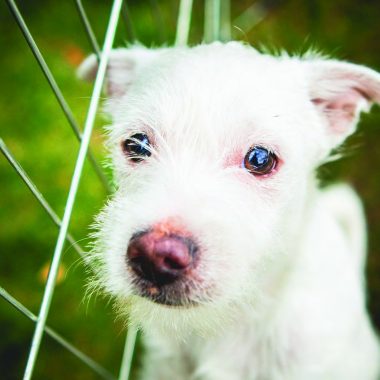
The Pennsylvania Department of Agriculture issued two broad exemptions to its comprehensive regulations on commercial dog breeders: one allowed 50% of flooring to be metal wire strand in the small cages where mothers with nursing puppies were kept, and the second stated the department would not enforce the stipulation for “unfettered access” to an outside exercise area for dogs over 12 weeks of age, provided that daily access was available for nursing dogs.
In 2014, the Animal Legal Defense Fund (ALDF) filed challenged these harmful exemptions. It filed a taxpayer lawsuit in state court on behalf of itself and three Pennsylvania residents. The lawsuit alleged that the department unlawfully weakened the minimum legal standards for commercial dog breeders with its exemptions.
A panel of three judges from the Commonwealth Court of Pennsylvania ruled in favor of ALDF in 2016, striking down the Department of Agriculture’s unlawful regulations.
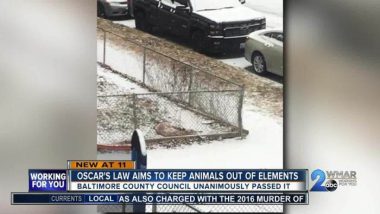
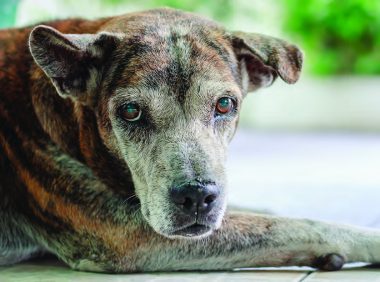
Oscar, an elderly dog, was found dead outside of his home in Baltimore County, Maryland, on New Year’s Day. Despite the 20-degree temperature, his guardian claimed Oscar died of old age, but a necropsy funded by the Animal Legal Defense Fund proved Oscar died of hypothermia.
The guardian entered an Alford plea to one count of animal cruelty — consequently, he was barred from possessing animals for three years. In the wake of Oscar’s death, Baltimore County passed Oscar’s Law — requiring companion animals be brought inside within 30 minutes after the onset of adverse environmental conditions and clarifying that animal control and police officers have the ability to investigate animal cruelty claims.
The U.S. District Court for the District of Columbia ruled that animal advocacy organizations may be entitled to intervene and participate in enforcement actions against alleged violators of the federal Animal Welfare Act — a major victory for animal advocates.
This opportunity for citizen participation came at an important time, considering that a few weeks earlier, the U.S. Department of Agriculture had abruptly removed all enforcement records regarding facilities such as puppy mills, research laboratories, and roadside zoos from its website.
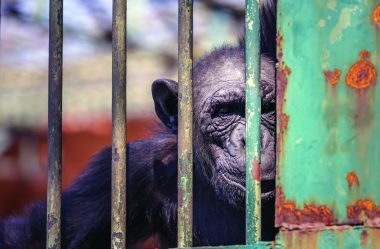
Millions of native wild animals including coyotes, mountain lions, foxes, bobcats, and bears are targeted and killed by the U.S. Department of Agriculture’s Wildlife Services, whose programs often rely on outdated science and employ painful killing methods, such as leghold traps and wire snares. In July 2017, the Animal Legal Defense Fund filed a lawsuit against Wildlife Services for failing to comply with the National Environmental Policy Act (NEPA), which requires the agency to account for harm it causes to native wildlife.
Because of this lawsuit, in October 2017 Wildlife Services agreed to comply with its obligations under NEPA and conduct an environmental analysis of wildlife management activities in California’s Northern District. The lawsuit was dismissed in exchange for this settlement agreement, and the agency’s compliance will be monitored as it conducts its updated review.
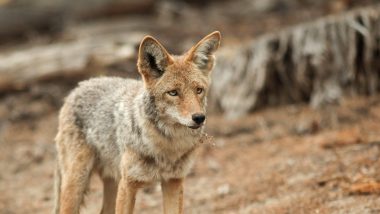
The Prevention of Cruelty to Farm Animals Act, or Proposition 12, outlaws the most extreme methods of confining farmed animals in California — and bans the sale of products produced in other states using these methods. Covered under this law are calves raised for veal, pregnant pigs, and egg-laying hens. The initiative passed easily with 63% of the vote and becomes effective in 2022.
The Animal Legal Defense Fund was part of the coalition that supported passage of Proposition 12, through its efforts to build awareness and promote “getting out the vote” via messaging on social media and through our California student chapters.
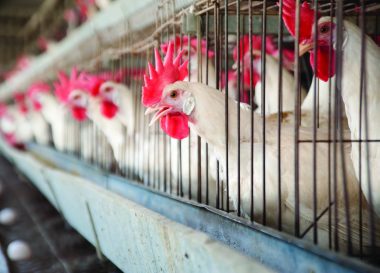
The Animal Legal Defense Fund filed a groundbreaking lawsuit in Oregon state court on behalf of an 8-year-old horse named Justice, against Gwendolyn Vercher, who neglected him — and pleaded guilty to criminal animal neglect. The lawsuit saught to recover the costs of Justice’s ongoing medical care and to compensate him for his pain and suffering. After his abuser pleaded guilty to criminal animal neglect, Justice was relinquished to Sound Equine Options, an Oregon nonprofit horse rescue and rehabilitation organization.
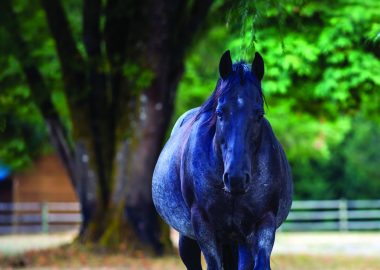
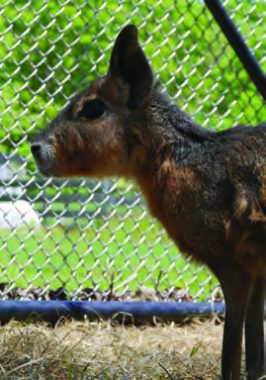
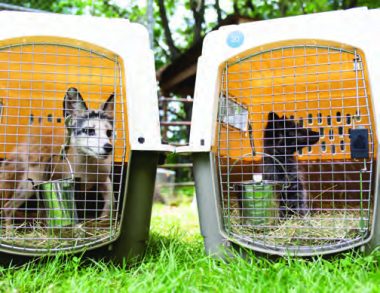
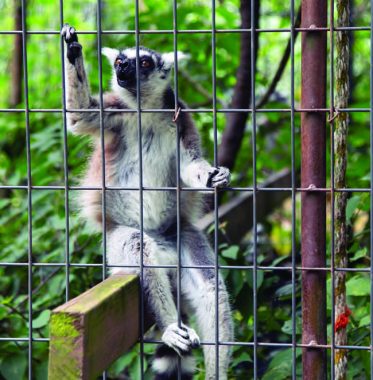
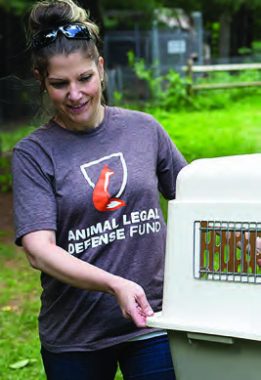
After the Animal Legal Defense Fund (ALDF) announced its intent to sue Deer Haven Mini Zoo in Keymar, Maryland for violations of the federal Endangered Species Act and state cruelty laws in April 2018, the owners agreed to voluntarily relinquish some of the animals on the property.
ALDF coordinated the transfer of two endangered lemurs, a bobcat, six arctic foxes, four cavies, and a coatimundi from the unaccredited roadside zoo and transferred them to sanctuaries.
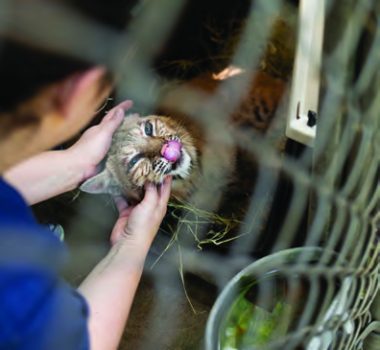
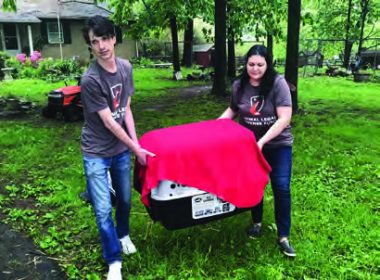
Deer Haven Mini Zoo images © Jason Putsche Photography
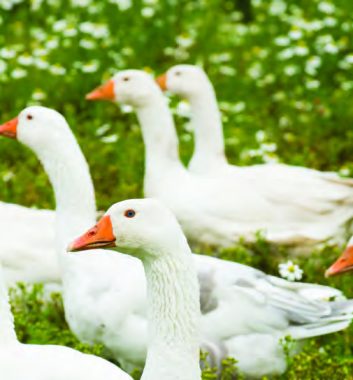
Foie gras is a cruelly-produced, high-priced “gourmet” delicacy that comes from force-feeding young ducks or geese until their livers swell to eight or more times their natural size. That’s why when California passed a ban on the production and sale of foie gras in 2004, it was a momentous step forward.
California’s ban went into effect in 2012. The foie gras industry filed a lawsuit challenging the ban as preempted by federal law and a U.S. District Court overturned California’s ban. The Animal Legal Defense Fund filed an amicus curiae brief in the subsequent appeal. In September 2017, the Ninth Circuit Court of Appeals revived the foie gras ban.
In 2019, the U.S. Supreme Court denied the foie gras industry’s petition and let the Ninth Circuit Court of Appeals’ mandate go into immediate effect, once again prohibiting the cruel product from being sold in the Golden State.
Foie gras’ disappearance from California restaurant menus and purveyors’ shelves spares thousands of ducks and geese from terrible suffering. ALDF is committed to ensuring the California law is followed, and to pursuing any restaurant or seller who would flout it.
For two days, Animal Legal Defense Fund (ALDF) attorneys and 10 judges from throughout the country — led by NCJFCJ staff — took a deep dive into issues surrounding animal abuse and neglect, especially those affecting domestic violence, juvenile delinquency, and dependency cases. Topics ranged from the importance of recognizing The Link (between human violence and animal cruelty), the crucial impact cross-reporting and inter-agency communication can have on both human and animal victims, and tools already available to judges from the bench such as inclusion of animals in domestic violence protection orders and prohibiting animal possession for a certain period of time.
This convening marked the beginning of the ALDF’s new partnership with NCJFCJ — the first formalized partnership between an animal protection organization and a national judicial group.
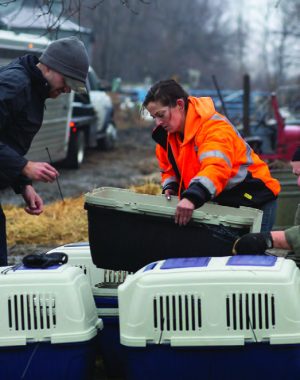
In November 2019, the Animal Legal Defense Fund (ALDF) received a landmark decision when a court enforced state anti-cruelty laws using a nuisance statute — ordering the removal of all the animals from Cricket Hollow Zoo in Manchester, Iowa. On December 9th, ALDF and several partner organizations descended on the property to remove the animals, provide necessary veterinary care, and transport the animals to sanctuaries and new loving homes, as appropriate.
Two black bears, three cavies, three coyotes, a wallaby, three baboons, numerous rabbits, hamsters, gerbils, rats, fish, and birds, in addition to other animals, were rescued. The zoo has now effectively been shut down.
This success builds on years of legal work against Cricket Hollow Zoo. For example, in 2016, ALDF filed a lawsuit against Cricket Hollow based on violations of the Endangered Species Act after African lions were added to the endangered species list.
The federal judge agreed with ALDF’s grave concerns about the lionesses’ condition and ordered the Sellners to permit a qualified veterinarian to examine them. The parties settled soon after the examination, with Cricket Hollow Zoo agreeing to relinquish the lions.
The California Ecosystems Protection Act laid the groundwork for a series of important gains for wildlife in California. The law helps safeguard animals from a class of highly toxic rodenticides (rat poisons) that not only inhumanely kill rodents, but can also harm or even kill numerous other animal species throughout the food chain, as well as companion animals and even children. In subsequent years, ALDF has helped to secure multiple additional state legislative wins protecting animals from anticoagulant rodenticides, ultimately helping California become the state with the strongest protections against these poisons in the nation — and hopefully, an inspiration for other states to follow.
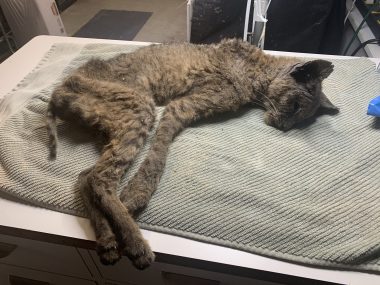
Thanks to Animal Legal Defense Fund’s (ALDF) work, a federal judge in Wisconsin issued a ruling permanently banning the facility, as well as its owner and manager, from ever again possessing or exhibiting animals (excepting their own personal dogs), or working with any other business that does so. The case later led to an additional important victory, in which ALDF successfully argued that we were entitled to receive attorneys’ fees and costs under the “fee-shifting” provision of the Endangered Species Act (ESA). This set a critical precedent, because ESA cases are resource-intensive, and without fee-shifting, there is limited incentive for citizen groups to bring lawsuits to help enforce the law.
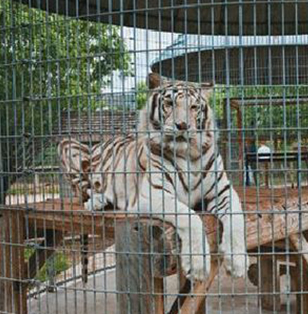
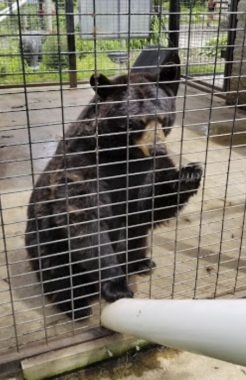
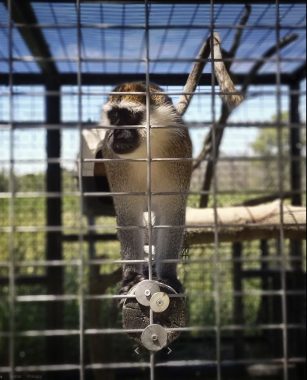
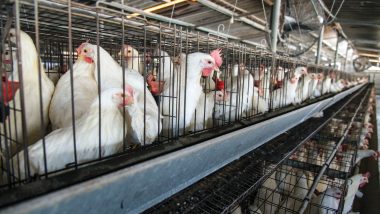
The Animal Legal Defense Fund (ALDF) and its partners succeeded in challenging three unconstitutional Ag-Gag-laws and filed a new lawsuit taking on yet another one. The U.S. Court of Appeals for the Tenth Circuit upheld our lower-court victory striking down Kansas’ Ag-Gag law for violating the First Amendment. (Kansas later petitioned the U.S. Supreme Court to take up its case, but the Court declined to consider it, leaving the animals’ victory in place.) In ourALDF’s case challenging Arkansas’ Ag-Gag law, the U.S. Court of Appeals for the Eighth Circuit found that ALDF’s coalition did indeed have standing to sue Arkansas over the law, overturning a lower-court ruling. The Eighth Circuit also upheld a lower-court ruling striking down a key part of an Iowa Ag-Gag law in a win for ALDF’s coalition. Iowa lawmakers have passed multiple Ag-Gag laws designed to protect Big Ag, and also in 2021, ALDF and coalition partners filed a separate lawsuit taking on yet another Iowa Ag-Gag law.
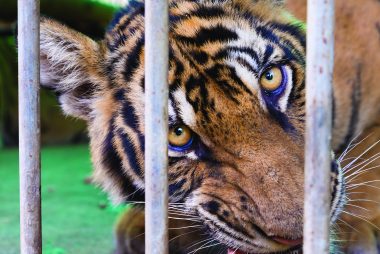
The Big Cat Public Safety Act is a federal law that protects both big cats and public safety. It bans the private possession of big cat species including tigers, lions, leopards, jaguars, and cougars; prohibit their transport in interstate commerce; and ban cruel “cub petting” encounters in which exhibitors prematurely separate young cubs from their mothers and force them into stressful, dangerous photo opportunities for money.
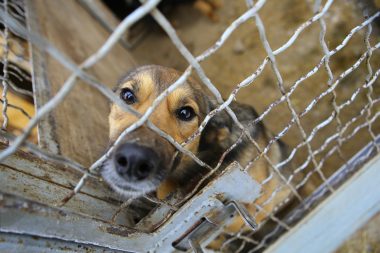
The Animal Legal Defense Fund’s (ALDF) criminal justice experts have found that, all too often, a lack of communication and collaboration between stakeholders in animal cruelty cases can hinder the response and leave animals in danger. Through the new Collaborative Response Project, ALDF experts partner with localities across the country to help build better processes, coordination, and collaboration between law enforcement, animal protection services, and the legal systems that help to fight and prevent abuse and neglect at the local level.
Animal law is a growing field — and that’s important, because animals desperately need good lawyers. In 2022, the Animal Legal Defense Fund partnered with the George Washington University Law School to create the Animal Legal Education Initiative (ALEI), an academic program designed to expand animal law opportunities; build an innovative, scalable curriculum; explore intersections with other legal disciplines; increase hands-on learning opportunities for animal law students; and create new opportunities designed to increase diversity in the field.

In National Pork Producers Council v. Ross, the U.S. Supreme Court sided with California in upholding the state’s landmark farmed animal protection law, Proposition 12. The law bans the cruelest forms of confinement on factory farms: gestation crates for mother pigs, veal crates for calves, and battery cages for hens in the egg industry. Critically, the law also bans the in-state sale of certain products made from animals kept in these forms of confinement, even if it takes place outside of California. The case was one of multiple lawsuits brought by animal agriculture interests seeking to overturn Prop 12 and preserve industry profits, in which the Animal Legal Defense Fund and coalition partners intervened to help California successfully defend the law.
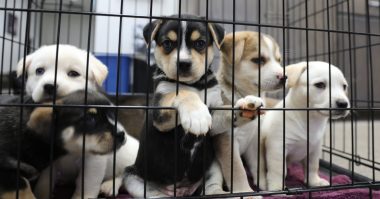
When a family of puppy traffickers knowingly sold desperately ill and parasite-ridden puppies to unsuspecting California consumers, the Animal Legal Defense Fund (ALDF) and our Pro Bono Network partner Cotchett, Pitre & McCarthy LLP stepped in. In a case that set important precedent in California along the way, we ultimately achieved a measure of justice for the families of puppies like Bear, who was humanely euthanized when he was found to be suffering from severe cases of both parvovirus and distemper, devastating his family. The case resulted in the defendants being banned from selling dogs, secured landmark damages for the plaintiffs, and helped ensure that California courts recognize the authority of humane societies to enforce state animal protection laws.
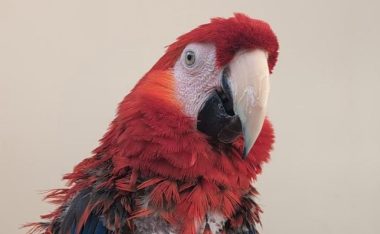
Animal Legal Defense Fund filed a case against a rural Pennsylvania roadside zoo, resulting in a settlement that ensures dozens of captive wild animals will be rehomed in sanctuaries. Animals rescued include MadMsL, a ring-tailed lemur long held in isolation from other lemurs; gray wolves named Ridge and Arrow, who’d paced back and forth repeatedly in a nearly barren enclosure at the roadside zoo; and Cranberry, a scarlet macaw who prior to her rescue had plucked out most of her feathers in a classic sign of stress.
The Animal Legal Defense Fund (ALDF) was a part of a coalition in Washington state that helped pass the very first bill banning the farming of these intelligent, sensitive animals for food. Next, in California, ALDF led the way for an even more expansive law that bans both octopus farming and the in-state sale of octopus farmed elsewhere. Later that year, the first federal octopus-farming ban bill was introduced in the U.S. Senate with ALDF support. Octopuses are deeply shy and solitary animals, for whom the intensive confinement of industrial farming would be especially inhumane.

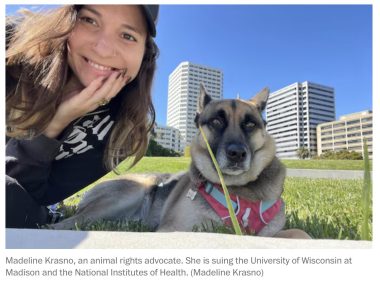
Animal protection is closely tied to freedom of speech. After all, animals can’t advocate for themselves in court or in the public sphere, so humans must speak out for them. The Animal Legal Defense Fund achieved multiple victories over attempts to silence animal advocates and plant-based food companies. In our coalition’s case against the National Institutes of Health, brought on behalf of an animal-research whistleblower and advocates who were censored on the agency’s public social media channels, the U.S. Court of Appeals for the D.C. Circuit ruled that the agency’s attempt to suppress animal-friendly speech (by automatically blocking comments that used words such as “animal,” “testing,” and “monkey”) violated the First Amendment. Meanwhile, ALDF secured important wins in cases challenging Missouri and Oklahoma state laws that had unfairly censored the rights of plant-based food producers to truthfully and accurately advertise and market their products.
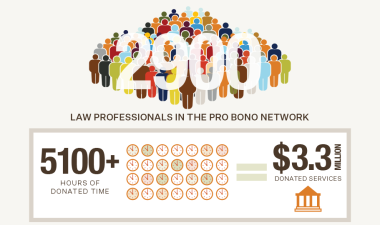
In Animal Legal Defense Fund’s (ALDF) 2024 fiscal year, members of the Pro Bono Network — now more than 2,700 members strong — donated over 5,000 hours of legal services for the animals, equaling more than $3.3 million in donated services. Their work included assisting ALDF in lawsuits challenging inhumane conditions at roadside zoos, taking on a network of puppy mill brokers and transporters, challenging the USDA’s issuance of an animal exhibitor license to a roadside zoo in violation of the Animal Welfare Act, conducting legal research in support of our efforts fighting Ag-Gag laws, and more.
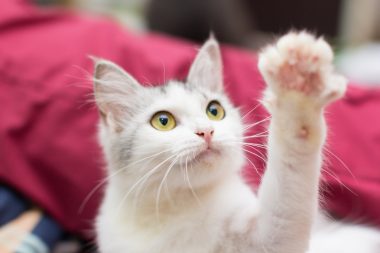
Thanks to the advocacy of Animal Legal Defense Fund and its supporters, California, Massachusetts, and Rhode Island all banned cruel cat declawing surgeries in 2025 (with each law exempting the very rare cases in which claw removal is medically necessary for the cat). Many well-meaning cat guardians have been misled about declawing, believing it to be a simple and low-impact procedure. But in reality, it’s a highly invasive surgery akin to severing a human’s fingers at the last knuckle — and it can cause lifelong pain and spiraling health and behavioral problems, almost always merely for human convenience.
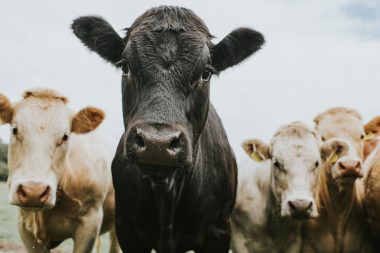
In a coalition lawsuit against the second-largest meat company in the world, the Animal Legal Defense Fund (ALDF) won critical assurances that Tyson Foods would stop making misleading claims that it produced “climate-smart beef” (a contradiction in terms), and that it would reach “net-zero” greenhouse gas emissions by the year 2050 (when, as ALDF argued, Tyson actually had no credible plan to do so). Meanwhile, ALDF reached a settlement in a California water-use lawsuit against Foster Poultry Farms.
“This settlement will increase water conservation in a critically overdrafted groundwater basin, which will benefit communities and wildlife in the region,” said ALDF Senior Staff Attorney Christine Ball-Blakely. “It will also improve conditions for the many chickens slaughtered and processed in this plant each day.”
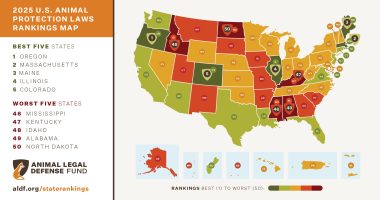
2026 marked the 20th year of Animal Legal Defense Fund’s annual U.S. Animal Protection Laws Rankings Report, which is the leading guide for tracking the expansion of state animal protection law across the country. Over the report’s history, our attorneys have painstakingly tracked animal protection gains across the country. When the report launched in 2006, no U.S. states or territories allowed animals to be included in domestic violence protective orders; by 2026, nearly all states and territories now do. The number of jurisdictions allowing judges to ban convicted animal abusers from owning or possessing other animals more than doubled over the same time period, among numerous other improvements.
When Texas passed a law censoring plant-based meat companies’ ability to accurately and understandably label their products, the Animal Legal Defense Fund sued to stop it — and won. In 2026, the Texas law was ruled unconstitutional and unenforceable by a federal court, which found that it violated the First Amendment. Laws like Texas’s are designed to benefit the animal agriculture at the expense of its animal-friendly competitors. This victory helps ensure a level playing field for animal-friendly companies, protects free speech, and preserves the ability of plant-based consumers to access the foods of their choice.